
Rice Farming Projects
Malaysia’s Rice Industry
Key Features of Rice Farming in Malaysia
Production Regions
- Kedah (“Rice Bowl of Malaysia”): Produces ~40% of national rice.
- Perlis, Penang, Perak: Major contributors with flat terrain and irrigation.
- Selangor, Kelantan: Emerging producers using modernized methods.
- East Malaysia (Sabah & Sarawak): Smaller-scale, mainly for local consumption.
Farming Practices
- Double-Cropping System: Most regions grow rice twice a year.
- Traditional & Modern Methods: Mechanized equipment alongside manual practices.
- Paddy Varieties: Includes staple white rice and aromatic/specialty rice.
Irrigation & Water Management
- Extensive irrigation systems ensure year-round water supply.
- Managed by agencies like Muda Agricultural Development Authority (MADA) and the Kemubu Agricultural Development Authority (KADA)
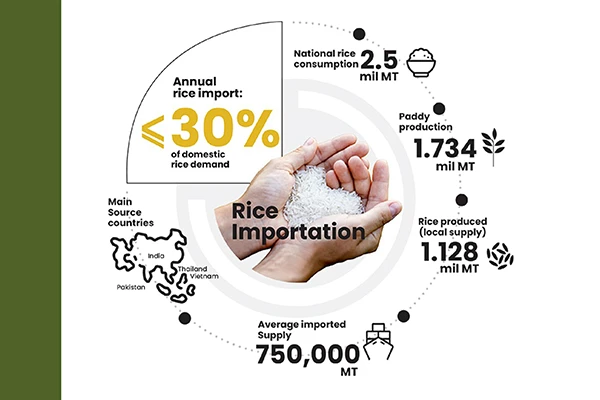
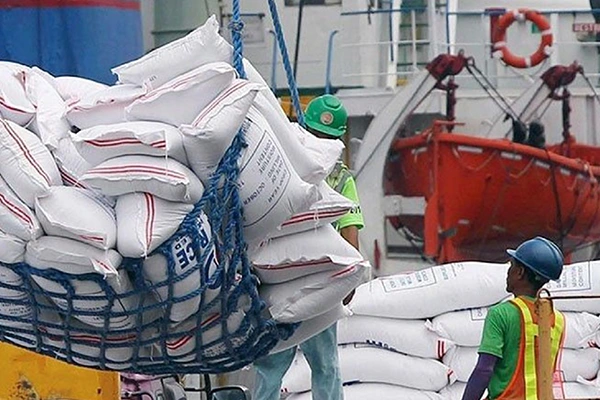
Major Rice Import Sources for Malaysia
- Thailand: Known for jasmine rice; major supplier of fragrant, long-grain rice.
- Vietnam: Supplies white and broken rice varieties, often for industrial use or blending.
- India: Significant exporter of basmati rice, meeting demand for aromatic, long-grain varieties.
- Myanmar & Cambodia: Provide smaller quantities, mainly during periods of high demand.
- Pakistan: Exports basmati and other aromatic rice varieties.
Why Malaysia Relies on Rice Imports
- Insufficient Domestic Production: Local rice meets only 70–75% of domestic demand, creating a supply gap.
- Population Growth: Rising population increases rice consumption beyond local production capacity.
- Preference for Premium Varieties: Specialty rice like basmati, jasmine, and aromatic types are not produced in sufficient quantities locally.
- Economic Considerations: Importing from countries with higher yields and lower costs (Thailand, Vietnam, India) is often more economical.
- Climate Challenges: Unpredictable weather, floods, and pests occasionally reduce local production, increasing reliance on imports.
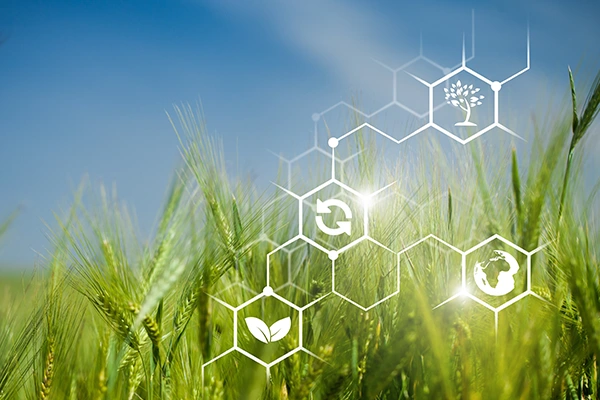
Incorporating Technologies to
Boost Rice Productivity
Hansal Agro is exploring the potential of revitalizing abandoned and unused state government land in key agricultural states such as Perak, Kedah, Pahang, and Negeri Sembilan. The initiative focuses on innovative paddy planting techniques to maximize land productivity, support food security, and introduce modern farming methods. By leveraging these underutilized resources, Hansal Agro aims to contribute to sustainable agriculture and drive economic growth in these regions.
Precision & Smart Farming
- Use of drones, GPS-guided equipment, and soil sensors to monitor crops, water, and nutrients for optimal growth.
- AI and digital tools help predict yields and optimize planting schedules.
Mechanization & Modern Techniques
- Automatic Transplanters & Combine Harvesters: Reduce manual labor and speed up planting and harvesting.
- Laser Land Leveling: Ensures even fields for better water distribution and higher yields.
Water & Irrigation Management
- Alternate Wetting and Drying (AWD): Saves up to 30% water and reduces methane emissions.
- Smart IoT-Based Irrigation: Delivers water precisely when and where needed, enhancing efficiency.
System of Rice Intensification (SRI)
- Optimized Seedling Planting: Using younger, single seedlings with wider spacing improves root growth and soil aeration.
- Resource Efficiency: Reduces seed usage and water consumption while increasing overall productivity.
High-Yield & Sustainable Varieties
- Hybrid and genetically improved strains resist pests, diseases, and climate challenges.
- Biofertilizers and biopesticides reduce environmental impact.
Innovative Farming & Supply Chain Solutions
- Vertical farming and aquaponics enable urban rice cultivation.
- Carbon farming techniques and blockchain ensure sustainability, traceability, and consumer trust.
Strategic Transformation of Paddy Farming
Hansal Agro is committed to transforming Malaysia’s paddy cultivation sector through modernization, innovation, and sustainable reform. By moving beyond conventional farming methods and integrating biotechnology, artificial intelligence, IoT, remote sensing, and advanced mechanization, the company aims to enhance productivity, efficiency, and environmental sustainability—creating greater value for farmers, investors, and the nation.
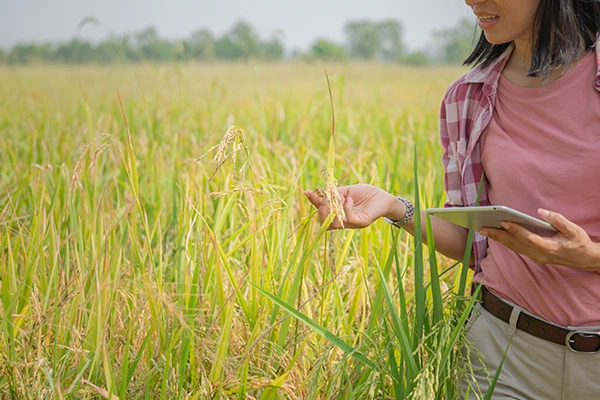
Transformation
Development of large-scale rice estates with strong income potential.
Regenerative and integrated farming to boost yields and reduce costs.
Smart mechanisation and IT-driven monitoring for higher efficiency and productivity.
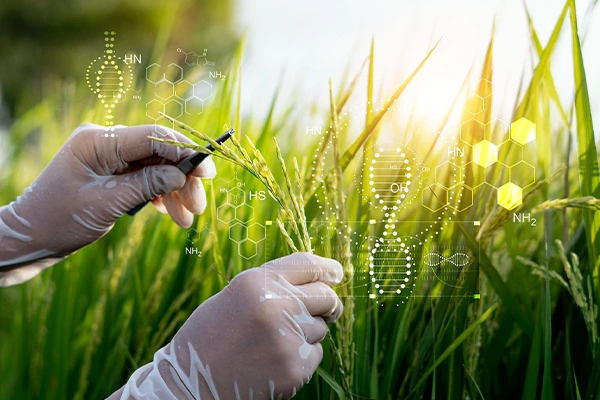
Reformation
Reduced water use and labour dependency through modern techniques.
AI and IoT-based control for precision farming.
Agriculture positioned as a knowledge-driven, competitive business.
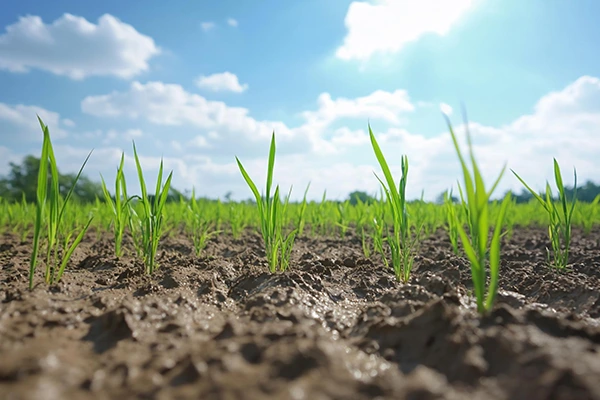
Innovation
MyOrganic improvements across soil, planting, and harvesting systems.
Eco-friendly, low-carbon technologies powered by renewable energy.
Integrated dry paddy farming (fish, poultry, crops) for diversified income.
Government Measures to
Balance Production and Imports
Farmer Subsidies
Farmers receive support for fertilizers, seeds, and pesticides to boost yields.
R&D Innovations
Developing high-yield and pest-resistant rice varieties.
Irrigation Modernization
Improved infrastructure ensures consistent water supply.
Self-Sufficiency Goal
Targeting 80–85% local rice production to reduce imports.