
Challenges in Aquaculture
Overcoming Risks in Modern Fish Farming
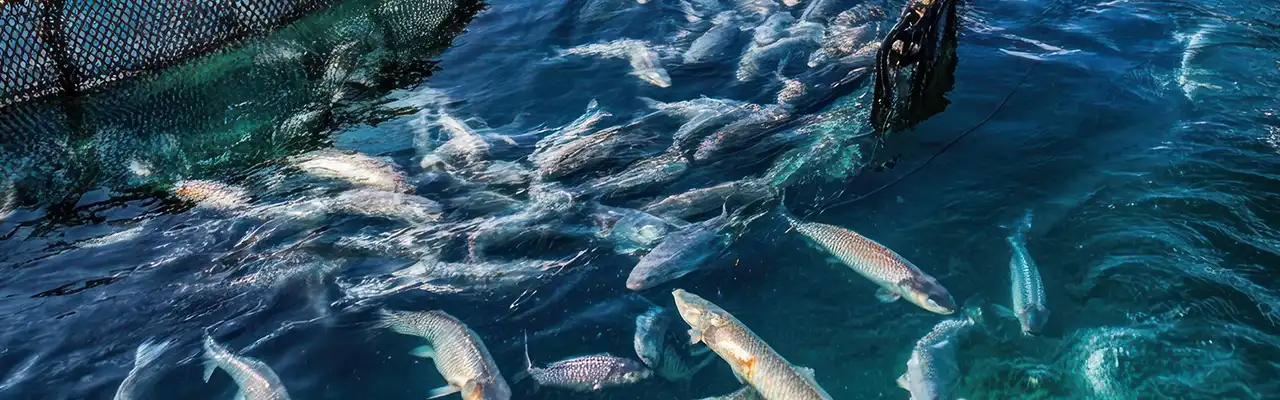
Resilience and Innovation in the Face of Agricultural Volatility
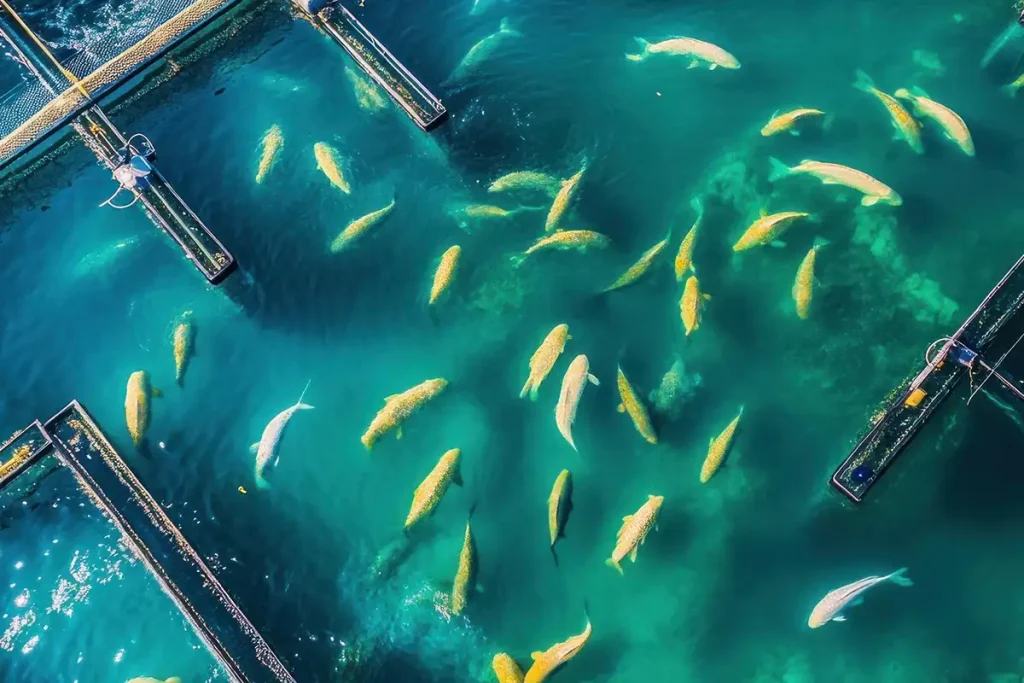
Preventing Fish Disease Outbreaks
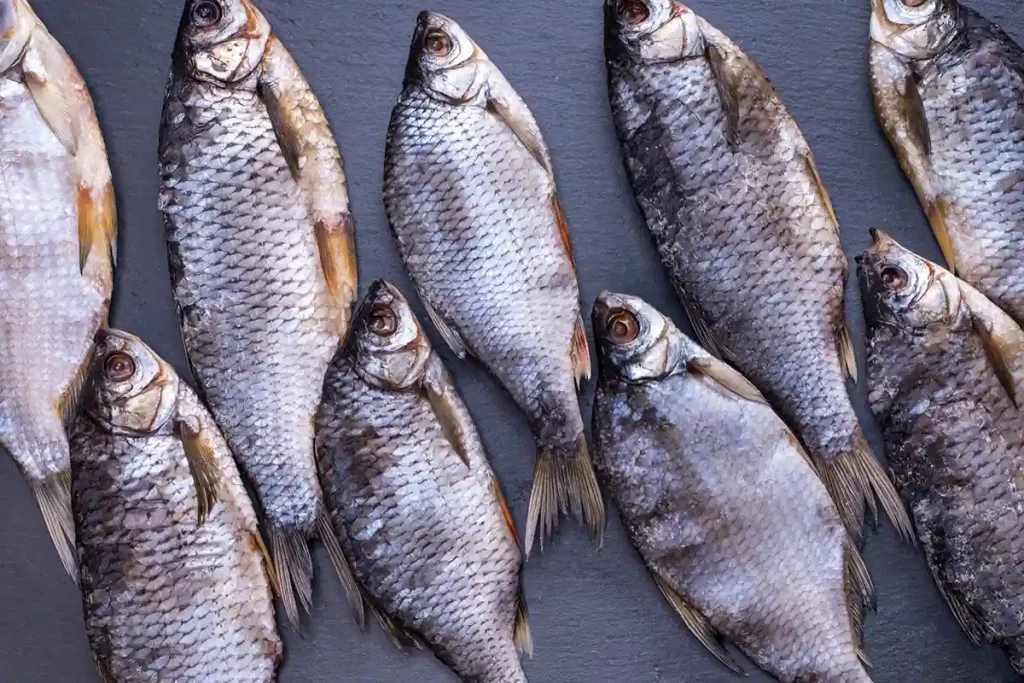
The Preventive Approach: We prioritize a "Zero-Pathogen" entry policy. All new stocks are quarantined for 14–21 days, and water sources are treated with UV sterilization and mechanical sand filters to eliminate parasitic spores and bacteria.
Immune Support: Rather than relying on reactive antibiotics, we incorporate immunostimulants (such as beta-glucans) and probiotics into our feeding schedules. This strengthens the natural defense systems of the fish, making them more resilient to acute stress events.
Optimal Husbandry: High-tech sensors monitor Dissolved Oxygen (DO) and ammonia levels 24/7. Since stress is a primary precursor to disease, maintaining a stable environment is our first line of defense.
Managing High Fish Feed Costs
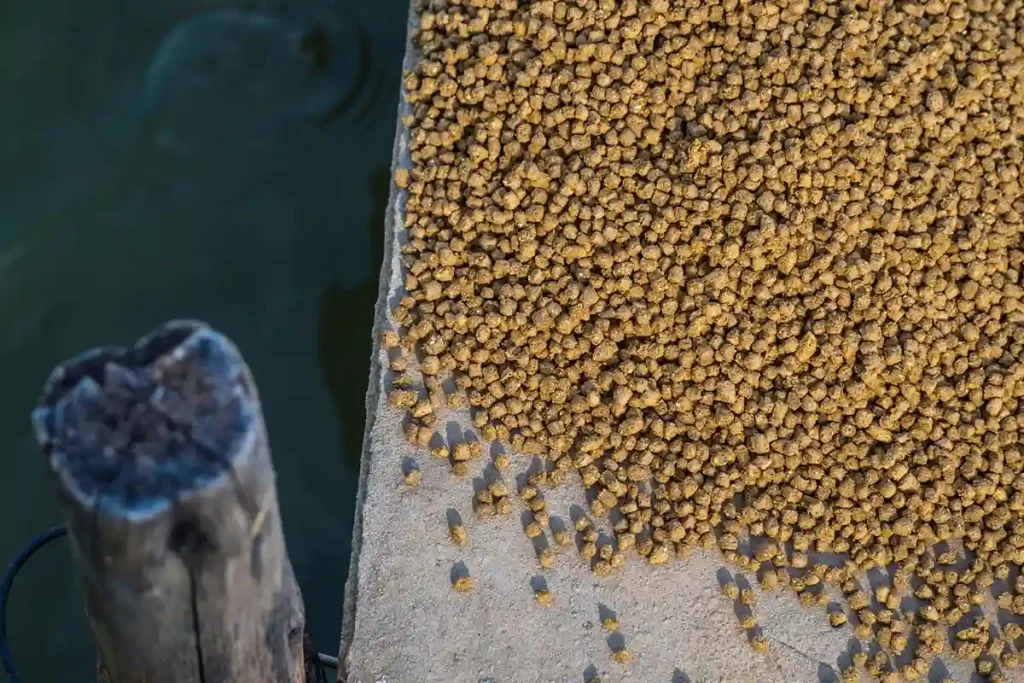
FCR Optimization: We use high-quality, nutrient-dense pellets designed for specific growth stages. By improving the Feed Conversion Ratio (FCR), we ensure that less feed is required to produce more fish biomass.
Alternative Protein Sourcing: To reduce reliance on expensive, imported fishmeal, we integrate sustainable plant-based proteins and locally sourced agricultural by-products (such as soy curd residue) without compromising nutritional integrity.
Precision Feeding: We employ automated feeders and demand-feeding sensors that prevent overfeeding—minimizing waste and protecting water quality from decomposition-related ammonia spikes.
Stabilizing Market Fluctuations
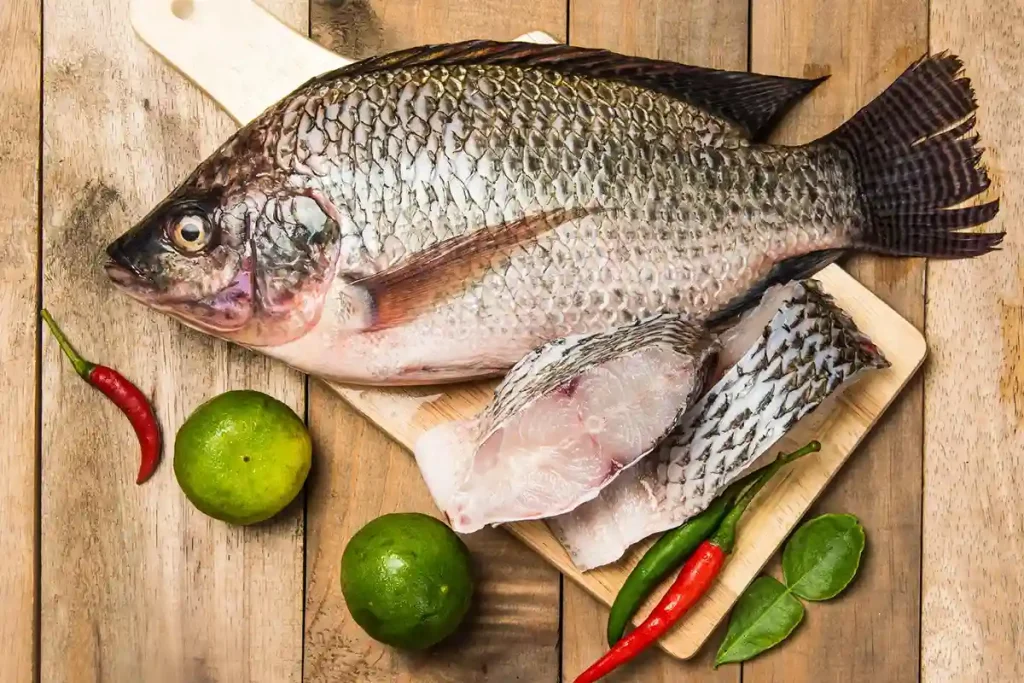
Species Diversification: We manage a balanced portfolio of fish species. By raising both staple species (like Tilapia or Catfish) and premium varieties, we can pivot our sales strategy based on real-time market pricing.
Direct-to-Buyer Strategy: We build long-term relationships with retail chains and the hospitality sector. This "contract-based" approach helps us lock in prices and bypass the volatile daily spot markets, ensuring steady cash flow.
Forecasting & Scale: Leveraging regional economic outlooks (such as Malaysia's MADANI framework), we align our harvest cycles with periods of peak demand, such as festive seasons and tourism surges.