
Market Analysis
Aquaculture Economics and Consumer Demand Trends
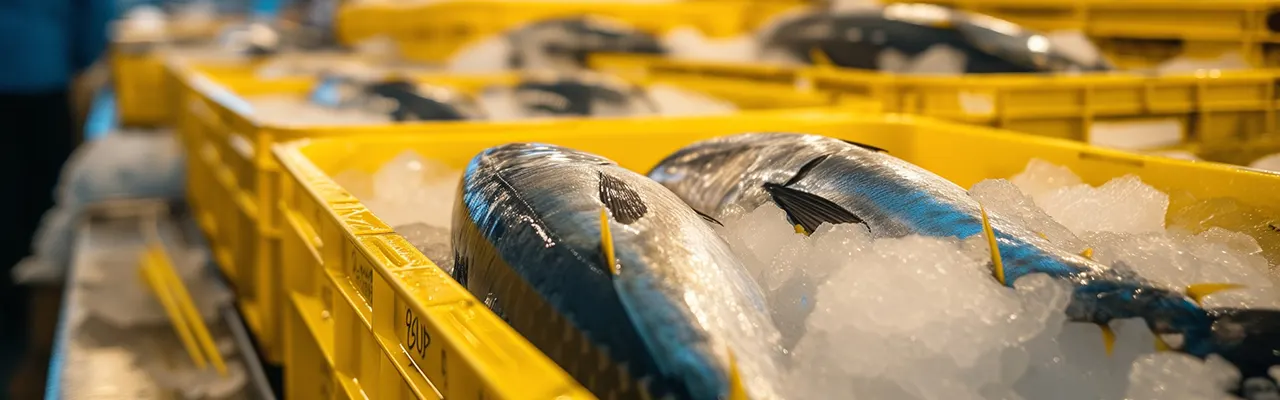
Data-Driven Strategies for Competitive Market Growth
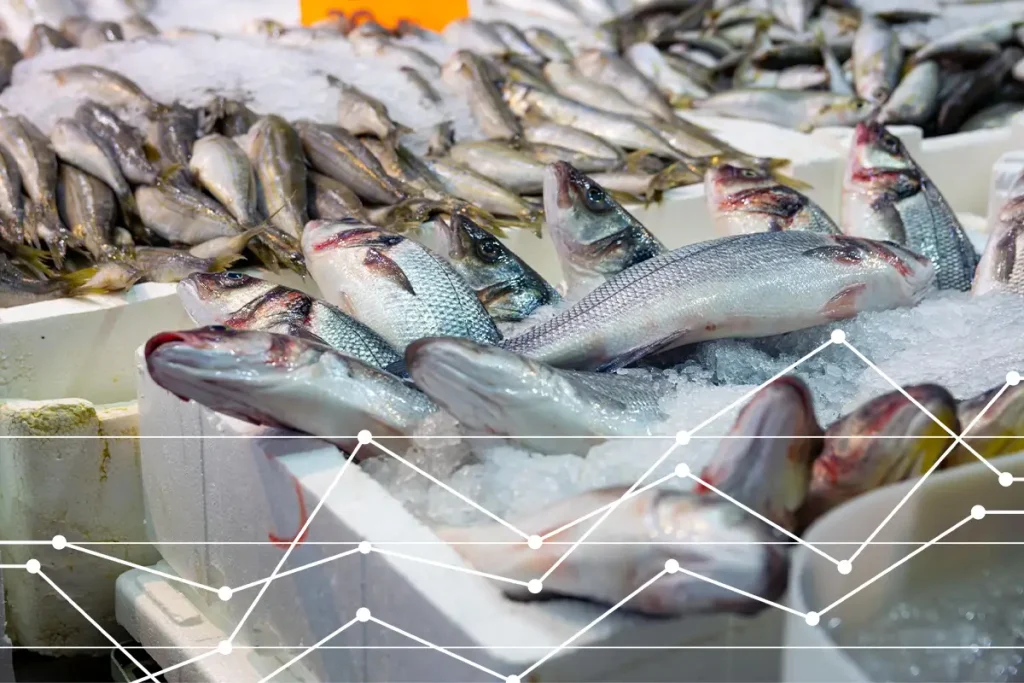
Market Analysis: Demand & Strategic Partnerships

Understanding Market Demand & Pricing
Consumer Trends: We monitor the growing demand for "clean label" seafood. Consumers are increasingly willing to pay a premium for fish that are antibiotic-free and raised in traceable, sustainable systems like our circular greenhouses.
Pricing Intelligence: Aquaculture pricing is influenced by seasonal demand (e.g., Chinese New Year spikes) and the cost of imported feed ingredients like soybean meal. We use data-driven forecasting to adjust our stocking cycles, ensuring harvest occurs when market prices are most favorable.
Value-Added Products: Beyond raw fish, we analyze the demand for processed or "ready-to-cook" segments, which often offer higher margins and greater price stability than the volatile live-fish market.

Relationship Management (Buyers & Suppliers)
Supplier Partnerships: We maintain "Strategic Supplier Agreements" with feed mills and hatcheries. By providing consistent orders and participating in feedback loops regarding feed performance, we secure better credit terms and priority during supply shortages.
Buyer Trust: We reduce our dependence on traditional middlemen by building direct relationships with premium supermarkets, hotel chains, and export wholesalers. This direct-to-buyer model can improve profit margins by 30–40% while ensuring our fish reach the consumer at peak freshness.
Rules & Regulations

Animal Welfare Standards
Stocking Density: We strictly manage fish-per-liter ratios to prevent stress, physical injury, and the spread of pathogens.
Humane Handling: From the hatchery to the harvest, we utilize low-stress handling techniques and efficient "cold-chain" stunning methods to minimize pain and ensure meat quality.