
Challenges in Duck Farming
Mitigating Risk in Duck Production
Duck farming faces specific hurdles, including volatile feed prices and the management of duck-specific pathogens. Our approach to these challenges involves diversifying our supply chain and implementing high-efficiency feeding programs. By addressing these economic and biological pressures proactively, we build a resilient operation capable of withstanding market shifts and environmental threats to our ducks.

Proactive Solutions for Complex Agricultural Hurdles
While duck farming is a highly productive venture, it requires a sophisticated management approach to overcome specific biological and economic hurdles. At Hansal Agro Sdn Bhd, we turn these challenges into benchmarks for excellence by implementing data-driven solutions and rigorous farm protocols.
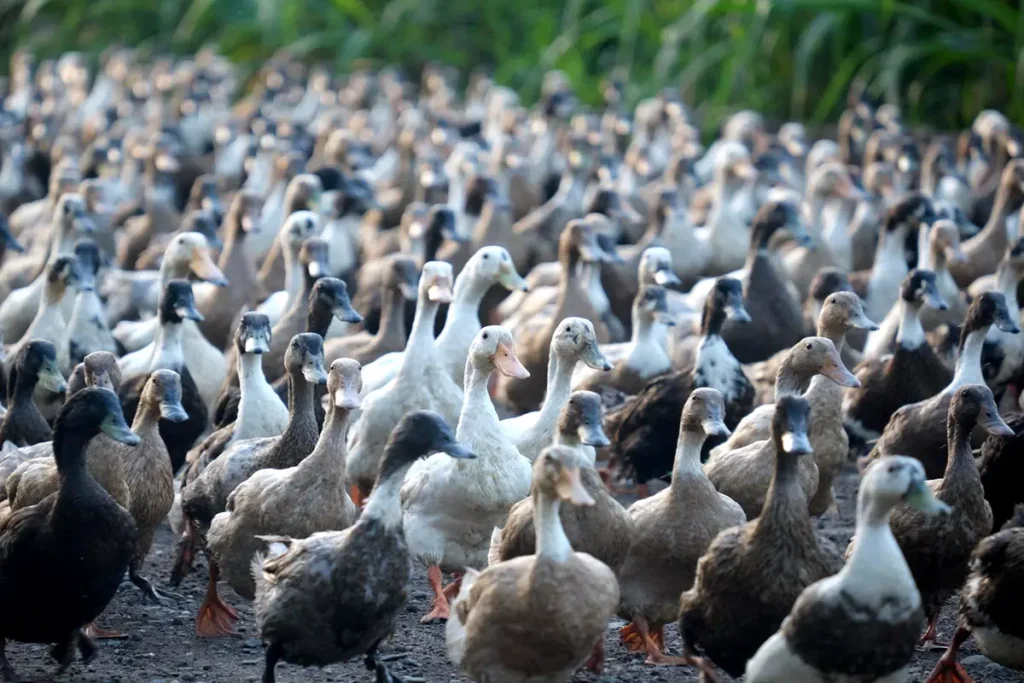
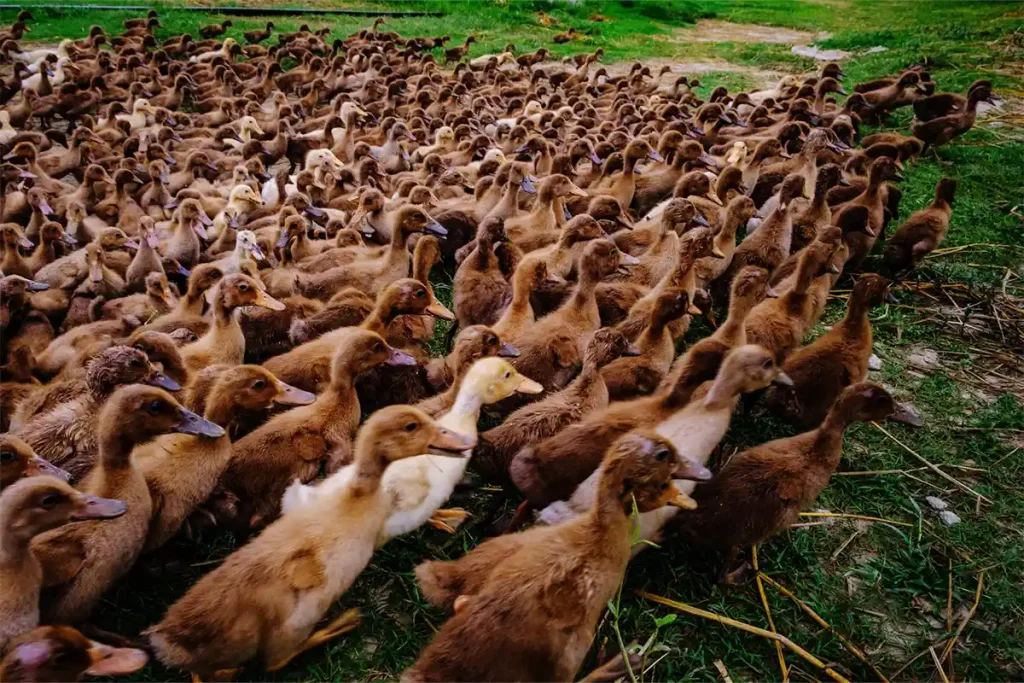
Managing High Feed Costs
Feed represents the largest operational expenditure in duck farming, especially as ducks have a naturally high intake rate to support their rapid growth.
Feed Conversion Ratio (FCR) Optimization: We utilize high-precision feed formulations that ensure every gram of protein and carbohydrate contributes to weight gain or egg production, reducing waste.
Bulk Sourcing & Strategic Storage: By purchasing feed in bulk and monitoring global grain markets, we buffer the farm against sudden price spikes in imported soy and corn.
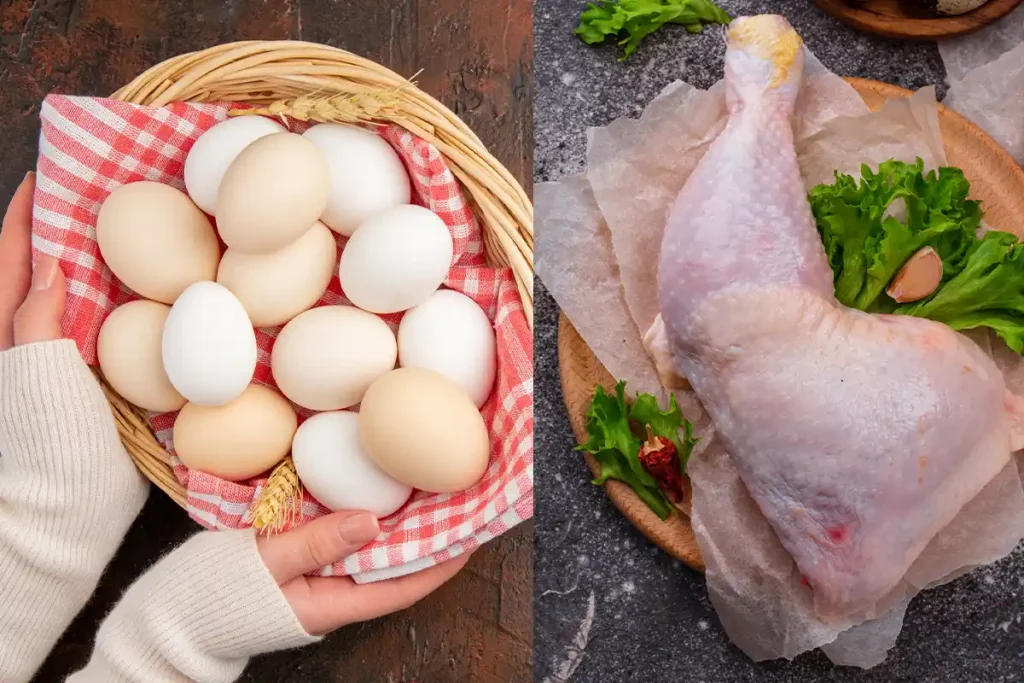
Stabilizing Market Fluctuations
The market for duck meat and eggs can be sensitive to seasonal demand and shifts in the hospitality industry.
Market Diversification: We avoid over-reliance on a single buyer by supplying a mix of wet markets, specialty restaurants, and food processors.
Quality Premium: By maintaining myGAP and VHM certifications, our products command a more stable price even during market downturns, as buyers prioritize safety and consistency.