Managing a successful hatchery involves a complex balance of nutrition, hygiene, and genetic selection. Our management team focuses on optimizing the transition from fry to fingerling by implementing strict feeding schedules and size-grading protocols. Through disciplined oversight and biosecurity measures, we ensure that only the strongest and most resilient fish move forward into our grow-out ponds.
Professional Oversight for Early-Stage Fish Development
At Hansal Agro Sdn Bhd, our hatchery management represents the intersection of biological precision and operational discipline. The hatchery is the most sensitive area of our aquaculture division; therefore, management focuses on maximizing the survival rate from egg to fingerling while ensuring the highest genetic and physical integrity of the stock.
Key Pillars of Hatchery Management
To maintain a consistent supply of healthy fingerlings, our management team adheres to four core operational pillars:
Broodstock Selection & Conditioning
Management begins with the “parents.” We carefully select broodstock based on growth rate, disease resistance, and physical uniformity.
Nutrition: Broodstock are fed a specialized high-protein, vitamin-enriched diet to improve egg quality and sperm motility.
Environmental Manipulation: We manage water temperature and light duration to induce spawning at optimal times, ensuring a steady production cycle throughout the year.
Precision & Smart Farming
Controlled Fertilization: Whether through natural or induced spawning, the timing is precisely logged to monitor development stages.
Incubation Hygiene: Eggs are kept in constant motion in specialized jars. Management ensures that dead eggs are siphoned out immediately to prevent the spread of saprolegnia (fungus) to healthy eggs.
Larval Rearing & "First Feed" Protocols
The transition from a yolk-sac larva to an active feeder is the most critical period in the fish lifecycle.
Live Feed Production: We manage "farms within the farm," cultivating rotifers and artemia to serve as the perfect first meal for tiny larvae.
High-Frequency Cleaning: Larval tanks are cleaned multiple times daily to remove metabolic waste that could stunt growth or cause mass mortality.
Grading and Stocking Density
As fry grow into fingerlings, they develop at different rates. Management involves:
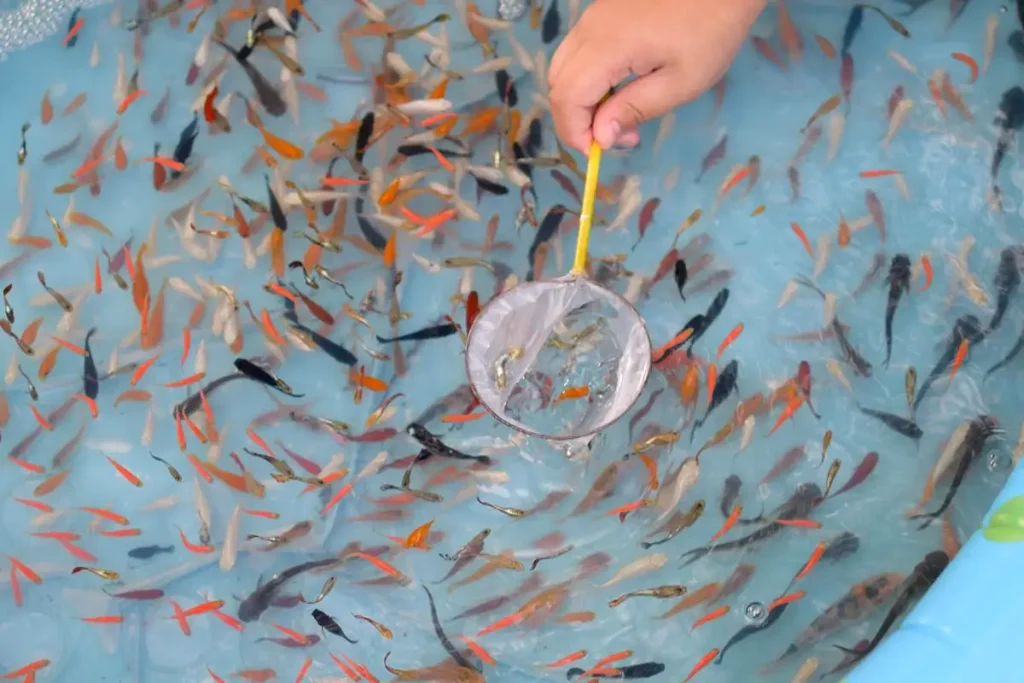
Size Grading: We use specialized grading equipment to separate fish by size. This prevents cannibalism and ensures that smaller fish are not outcompeted for food.
Density Management: We strictly regulate the number of fish per liter of water to prevent stress and ensure high dissolved oxygen levels are maintained.